
Night Mountain
Opening Breath
여는 숨
A quiet descent into emotional isolation (감정적 고립), where the soul forgets its own sound.
영혼이 자신의 소리를 잊어버리는 감정적 고립 속으로 조용히 내려가는 숨입니다.
A gentle unveiling of burnout syndrome (번아웃 증후군) hidden beneath success and silence.
성공과 침묵 아래 감춰진 번아웃 증후군을 온화하게 드러내는 숨입니다.
A private space for self‑resilience (자기 회복력) to rise again without performance or pressure.
성과나 압박 없이 자기 회복력이 다시 일어설 수 있는 프라이빗한 숨입니다.
A sanctuary for private healing (프라이빗 힐링)—the kind only the unseen parts of us understand.
보이지 않는 내면만이 이해하는 프라이빗 힐링을 위한 성소 같은 숨입니다.
A reflection on the weight of success (성공의 무게) and the quiet fractures it leaves behind.
성공의 무게가 남기는 조용한 균열을 성찰하는 숨입니다.
A soft doorway into executive burnout & soul care, where high‑stakes lives meet ancient rest.
고위직의 번아웃과 영혼 돌봄이 만나는 부드러운 문턱입니다.
A discreet invitation into mental health for high‑profile men, where dignity is protected.
체면을 지키는 고위층 남성들의 정신 건강을 위한 은밀한 초대입니다.
A journey into identity architecture, rebuilding what isolation tried to dismantle.
고립이 무너뜨리려 했던 것을 다시 세우는 정체성 구조(Identity Architecture)의 여정입니다.
A return to stoic restoration, where ancient strength meets divine nearness.
고대의 강인함과 신적 가까움이 만나는 스토아적 회복(Stoic Restoration)의 숨입니다.
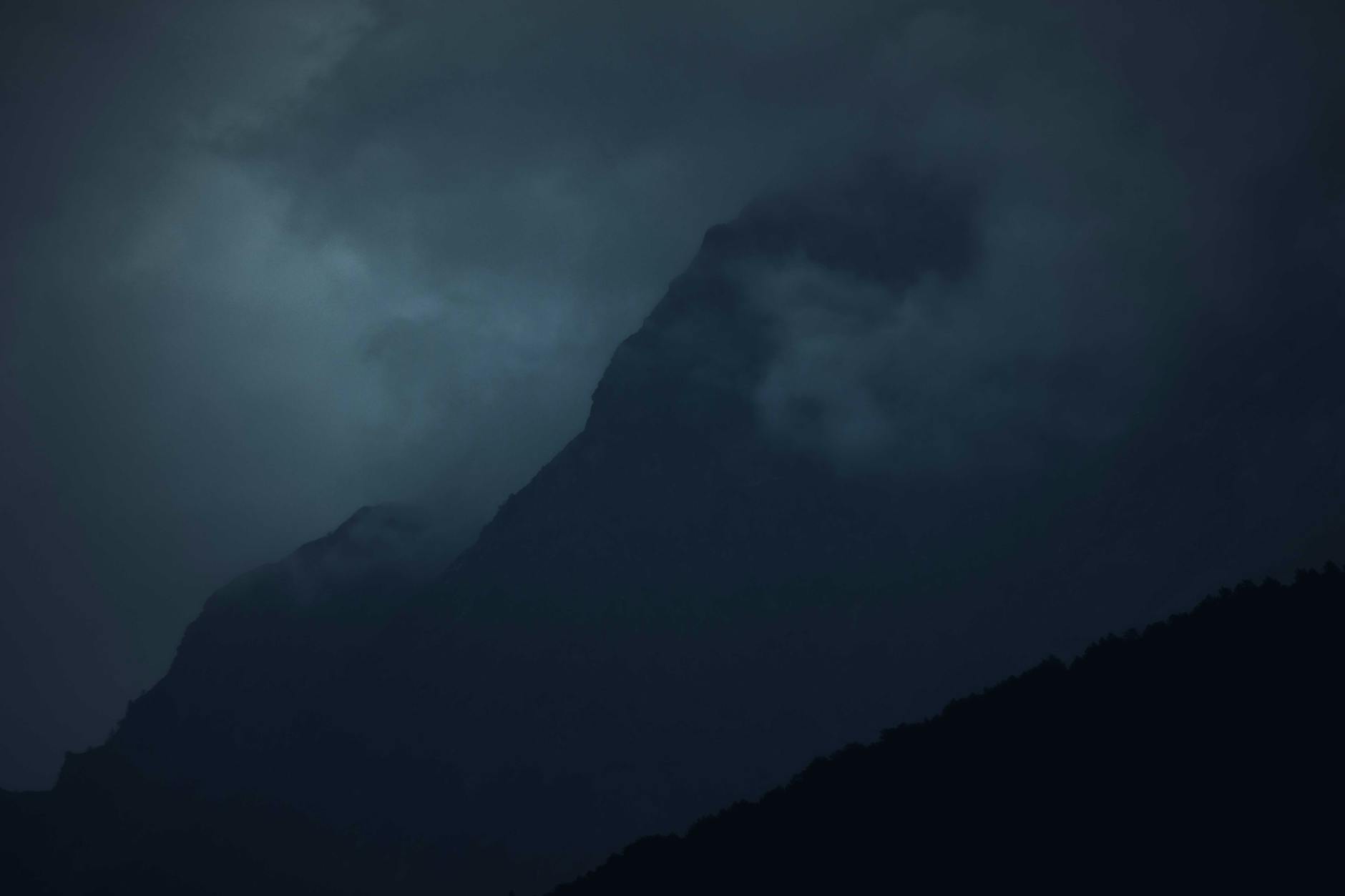
Thick billowed clouds of fog curve and fold around the base of the mountain like a mother embracing her fussy child.
두꺼운 안개가 산의 기슭을 감싸며 마치 칭얼대는 아이를 안아주는 어머니처럼 굽이칩니다.
The mountain stands alone in a wall of strength—impenetrable and unyielding.
그 산은 뚫을 수 없고 굴복하지 않는 강인함의 벽 속에 홀로 서 있습니다.
For thousands of years the mountain stood alone, isolated, yet its strength is unmatched.
수천 년 동안 그 산은 고립된 채 서 있었지만, 그 강인함은 누구도 따라올 수 없습니다.
Could this be what isolation begets?
이것이 고립이 만들어내는 결과일까요?
On the surface it may appear that way, but when we look deeper we realize the mountain is not alone.
겉으로 보기엔 그렇게 보일지 모르지만, 깊이 들여다보면 산은 결코 혼자가 아니라는 것을 알게 됩니다.
A mountain is never born in one moment.
산은 단 한순간에 태어나지 않습니다.
It is the slow rising of a hundred smaller things—tiny hills, stubborn ridges, buried valleys, ancient sediments, and quiet pressures layered over time.
작은 언덕들, 고집스러운 능선들, 묻힌 골짜기들, 오래된 퇴적물들, 그리고 시간이 쌓아 올린 조용한 압력들이 천천히 솟아올라 산이 됩니다.
Moments that lifted, moments that broke, moments that pressed, moments that healed.
올라간 순간들, 부서진 순간들, 눌린 순간들, 치유된 순간들이 모여 산을 이룹니다.
What looks like one towering structure is actually a lifetime of upward pushes.
우뚝 솟은 하나의 구조처럼 보이지만, 사실은 수많은 상승의 순간들이 쌓인 결과입니다.
Without the small mounds beneath it, the mountain could not stand at all.
그 아래의 작은 언덕들이 없다면 산은 존재할 수 없습니다.
That would be true isolation.
그것이야말로 진짜 고립입니다.
Isolation is never just this one dimension, this simple form people believe it to be.
고립은 사람들이 생각하는 것처럼 단순한 한 가지 형태가 아닙니다.
Isolation has four dimensions: time, space, access, and depth.
고립에는 네 가지 차원이 있습니다: 시간, 공간, 접근, 깊이.
The dimension of time is supposed to be short‑lived, for refinement purposes; it was never meant to be long‑term.
시간의 고립은 원래 잠시 정련을 위한 것이지, 장기적인 형태가 아니었습니다.
When it becomes long‑term, it stops being “refinement” and starts becoming atrophy.
장기화되면 그것은 정련이 아니라 위축이 됩니다.
We weren’t designed to stay “blocked off” forever; the longer the time, the harder it is to remember what the “Collective” feels like.
우리는 영원히 차단된 상태로 살도록 설계되지 않았습니다. 시간이 길어질수록 ‘공동체’의 감각을 잊게 됩니다.
The dimension of space becomes a fortress of necessity.
공간의 고립은 필연의 요새가 됩니다.
It blocks you off from the entirety of the old and into just a space—whether physical or mental—because it is the only place you feel “peace” or “safe.”
그곳은 과거 전체로부터 당신을 차단하고, 물리적이든 정신적이든 오직 한 공간만 남깁니다. 그곳만이 평안하거나 안전하다고 느껴지기 때문입니다.
This dimension of isolation is claustrophobic.
이 고립의 차원은 폐쇄적입니다.
It restricts our atmosphere and makes our vision feel like an impossible fantasy because our eyes only see four walls or our mind only processes one pattern of thought.
네 벽만 보이거나 한 가지 생각만 반복되기 때문에 우리의 시야는 비현실적인 환상처럼 느껴집니다.
The third dimension is access.
세 번째 차원은 접근입니다.
As people, we must be poured into.
우리는 누군가에게 채워져야 합니다.
Even when we don’t pour out, we still must be poured into.
우리가 쏟아내지 않더라도, 우리는 여전히 채워져야 합니다.
If we are not, it creates a relational void—a place of being in the world but forever unseen.
그렇지 않으면 관계적 공허가 생기고, 세상 속에 있지만 영원히 보이지 않는 존재가 됩니다.
The fourth dimension is depth.
네 번째 차원은 깊이입니다.
Depth, when unchecked by wholeness, becomes a downward spiral.
온전함으로 점검되지 않은 깊이는 끝없는 하강 나선이 됩니다.
Without a healthy collective to mirror truth back to us, our mind loops on the trauma.
건강한 공동체가 진실을 비춰주지 않으면, 우리의 마음은 트라우마만 반복합니다.
We start to “one‑up” our pain or get stuck in the “Why?” of the abuse.
우리는 고통을 더 키우거나 학대의 ‘왜?’에 갇히게 됩니다.
This is the dimension where the voice of the enemy does the most damage, because there is no voice of truth around us to shut him up.
이 차원에서 원수의 목소리가 가장 큰 피해를 줍니다. 진리를 말해줄 사람이 없기 때문입니다.
With all four dimensions fully activated, isolation becomes a black hole that threatens to consume the very peace and joy we were desperately seeking.
네 차원이 모두 작동하면 고립은 우리가 간절히 찾던 평안과 기쁨을 삼키려는 블랙홀로 변합니다.
This black hole is what we see in our communities after we have pushed those around us into extreme isolation through unreasonable expectations and pressure.
이 블랙홀은 우리가 주변 사람들을 불합리한 기대와 압박으로 극단적 고립으로 밀어 넣은 후 공동체에서 보게 되는 모습입니다.
There is nothing inherently wrong with expectations and pressure until they become unreasonable.
기대와 압박 자체가 잘못된 것은 아니지만, 그것이 불합리해질 때 문제가 됩니다.
When we begin to expect things from others we wouldn’t even expect of ourselves—or when the very things we hate being pushed on us, we push onto others—we become the architects of someone else’s collapse.
우리가 스스로에게도 요구하지 않는 것을 타인에게 요구하거나, 우리가 싫어하는 방식으로 타인을 몰아붙일 때 우리는 누군가의 붕괴를 설계하는 사람이 됩니다.
When did we become a people who thrive on pushing others to their brink, trying to erase a human essence just because our lives don’t make sense?
언제부터 우리는 타인을 벼랑 끝으로 몰아붙이며, 우리의 삶이 이해되지 않는다는 이유로 그들의 인간성을 지우려는 사람이 되었을까요?
When did we begin to see the pain of others and scoff at it just to make ourselves feel better?
언제부터 우리는 타인의 고통을 비웃으며 스스로를 위로하려 했을까요?
Yes, from the foundation of the world it was like this, but have we not progressed enough to know better now?
맞습니다, 세상의 기초부터 이런 모습이 있었지만, 이제는 더 나아져야 하지 않을까요?
Must we repeat the atrocities of those who have gone before us, mimicking the steps of their hatred and incompetence?
우리는 이전 세대의 증오와 무능을 그대로 따라가며 같은 비극을 반복해야만 할까요?
Isolation was never meant to be our dwelling place.
고립은 결코 우리의 거처가 되도록 설계되지 않았습니다.
Even the mountain, ancient and unmoved, is held together by the quiet architecture of connection—hills rising beneath it, valleys cupping its weight, pressures shaping its form.
고대부터 움직이지 않던 산조차도 연결의 조용한 구조—그 아래의 언덕들, 무게를 받치는 골짜기들, 형태를 만드는 압력들—로 지탱됩니다.
We were crafted the same way.
우리도 그렇게 만들어졌습니다.
Abba Yah never formed us to stand in the cold echo of our own thoughts; He formed us in communion, in covenant, in the warmth of His nearness.
아바 야는 우리가 차가운 자기 생각의 메아리 속에 서도록 만드신 것이 아니라, 교제와 언약, 그분의 가까움의 따뜻함 속에 서도록 만드셨습니다.
“It is not good for the human to be alone,” He whispered in the beginning—not as a rule, but as a revelation of design.
“사람이 혼자 있는 것이 좋지 않다”는 말씀은 규칙이 아니라 설계의 계시였습니다.
When we drift into the four‑dimensional exile of isolation—time, space, access, depth—we forget the truth that has always been our anchor: we are upheld, seen, and surrounded by the One who calls Himself Yahweh‑Shammah, the God who is there.
우리가 고립의 네 차원—시간, 공간, 접근, 깊이—으로 떠밀려갈 때, 우리는 우리의 닻이었던 진리를 잊습니다: 우리는 ‘거기 계신 하나님’ 야훼‑샴마에게 붙들리고, 보이고, 둘러싸여 있다는 진리입니다.
And if He is there, then even in our loneliest places, we are never truly alone.
그분이 거기 계시다면, 우리의 가장 외로운 자리에서도 우리는 결코 혼자가 아닙니다.
Not only does He give us His presence, but He gives us others—our people, the ones who connect with us most—so that we can form a bond as strong, unyielding, and steady as the mountain.
그분은 자신의 임재뿐 아니라, 우리와 깊이 연결되는 사람들을 주셔서 산처럼 강하고 굳건한 유대를 이루게 하십니다.
The mountain stands because something holds it.
산이 서 있는 이유는 그것을 붙들어주는 것이 있기 때문입니다.
So do we.
우리도 그렇습니다.
Final Breath
마지막 숨
Until the day we meet again, may Abba Yah’s blessings and protection be with you.
다시 만나는 그날까지, 아바 야의 축복과 보호가 당신과 함께하기를.
 Sacred Treasures
Leave a comment